
Are scorpions common in Scottsdale? Yes. The Arizona bark scorpion is, in University of Arizona (UA) Cooperative Extension's words, "common around buildings of all kinds in low desert areas," and is often found around homes and hollow-block perimeter walls. A national study the UA cites found 98% of scorpion exposures happen in or around homes, and Phoenix posted the highest sting rate in the country.
Should that change your plans? Not usually. It's a routine part of desert homeownership, managed the same way most Valley homeowners do it: seal the house, reduce hiding spots, and call in a pro if you see them indoors regularly. Fall is a smart time to tackle it, before scorpions settle in for winter.
Data note: Species, behavior, sting and prevention details come from UA Cooperative Extension publication AZ1768, "Scorpions of the Desert Southwest United States" (May 2018), which cites Kang and Brooks (2017) for U.S. exposure data. This post is general information, not medical advice.
Meet the Arizona Bark Scorpion
- The one that matters: the only scorpion species of medical significance in the U.S.
- Size: adults are about 2 to 3 inches long, slender, with a long thin tail
- Lifespan: 5 to 7 years
- Diet: crickets, cockroaches and other insects
- Social: not territorial; often found in groups
- Climbers: they scale textured walls, cross ceilings, and can drop into beds, sinks and bathtubs
By the Numbers
- 98% of U.S. scorpion exposures occur in or around homes (Kang and Brooks, 2017)
- Up to 677 stings per 100,000 people in Phoenix, the highest sting incidence in that study
- 95% of bark scorpions in harborage research preferred hollow-block walls
- About 90% of stings reported to the Arizona Poison and Drug Information Center are treated at home
When Are Scorpions Most Active in Arizona?
- Most of the year in the low desert, with nighttime temperatures above 70°F ideal
- Less active November through March, when they cluster in protected, undisturbed spaces
- Peak hours: 7 to 11 p.m. and 3 a.m. to sunrise
- On the move after water: irrigation or monsoon rains can flood them out of hiding
- Disturbed by projects: construction and landscaping can push them to relocate. Winter remodels that open walls sometimes uncover groups
How to Keep Scorpions Out of Your House
UA's checklist, with the steps that matter most for homes with block-walled yards:
Seal the Envelope
- Weather-stripping around doors and windows with a snug fit
- Tight door sweeps with no gaps
- Caulk around roof eaves, pipes and wall penetrations
- Window screens in good repair
- Weep holes: screen them with coarse steel mesh, don't plug them; they ventilate the wall
Reduce Harborage Outside
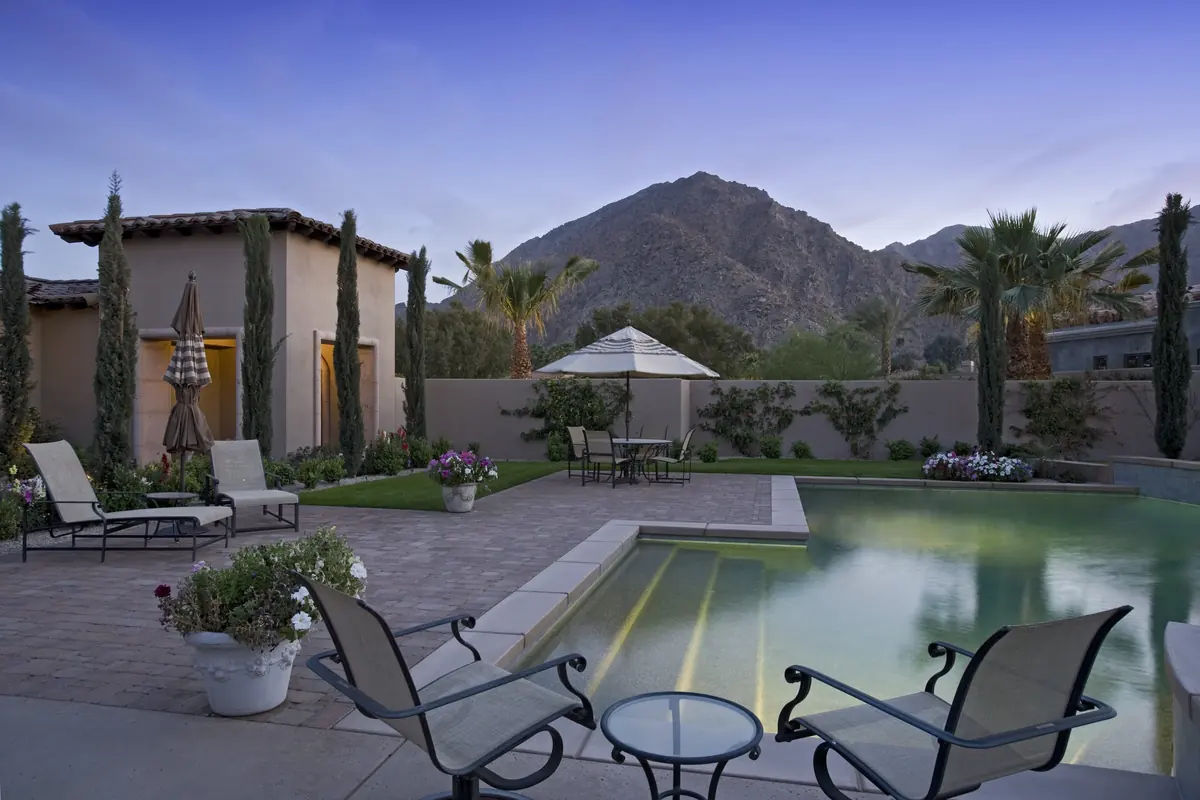
- Stucco and cap hollow-block walls
- Keep wood, rocks and clutter away from the house
- Prune branches off the roof; they're a highway up
- Minimize low ground cover near the foundation
- Store trash cans off the ground
Inside the Home
- Hang pool towels and clothes; damp towels on the floor attract scorpions
- Don't leave shoes on the floor, especially outdoors
- Use a UV black light: bark scorpions glow, which makes evening checks easy
Pesticides vs. Pest-Proofing
UA is blunt: scorpions are difficult to manage with pesticides alone, and pest-proofing is by far the most effective way to reduce contact. If you regularly find them indoors, hire a pest management professional experienced with scorpions; many offer pest-proofing services.
Scorpions and Selling a Home in 85250
Arizona's standard Seller's Property Disclosure Statement (SPDS) includes a question about scorpions alongside other pests. If you've treated for them, keep your service records. Buyers usually appreciate a home with a regular pest service and sealed entry points. See our guide to what Arizona sellers must disclose, and, for the other desert pest buyers ask about, termites in 85250.
“Nearly every buyer from out of state asks me about scorpions on the first tour. My honest answer: they're part of desert living, and the homes where I rarely hear about them are the ones with capped block walls, good door sweeps and a pest service on the calendar. When I list a home, I'd rather a seller disclose a past treatment and show the receipts than leave a buyer guessing.”
— Elizabeth Vijan, Tackett Team, eXp Realty
FAQ: Scorpions in Scottsdale
Are scorpions common in Scottsdale?
Yes. Bark scorpions are common around homes across the low desert, especially near hollow-block walls.
When are scorpions most active in Arizona?
Most of the year, best above 70°F at night; less active November-March. Peak hours 7-11 p.m.
What attracts scorpions to homes in Arizona?
Insects to eat, water and crevices to hide in, especially block walls, clutter and low ground cover.
What should I do if I'm stung by a scorpion in Arizona?
Call Poison Help at 1-800-222-1222. For a child 9 or under or under 70 lb, call 911 or go to a hospital.
Buying or Selling in 85250? Let's Talk Home Care
Whether you're preparing a home for market or evaluating one to buy, I'll help you sort the routine desert maintenance items from the ones worth negotiating, with local vendors I trust.
Elizabeth Vijan | Tackett Team, eXp Realty
Chaparral Park Resident & 85250 Real Estate Expert
Talk to Elizabeth About Your Home · Call or text 602-885-7752
Sources: UA Cooperative Extension: Scorpions of the Desert Southwest United States (AZ1768, PDF) · UA Cooperative Extension: AZ1768 publication page · Arizona REALTORS® Seller's Property Disclosure Statement, Feb. 2023 (PDF)
Disclaimer: General information, not medical or pest-control advice. If you are stung and concerned about symptoms, call the Poison Help Hotline at 1-800-222-1222, contact a medical professional or go to an emergency room. Information deemed reliable but not guaranteed. Equal Housing Opportunity.